
Biological computing and art are beginning to intersect in fascinating ways. Science often inspires art. But the opposite is also true.
Long before many technologies become reality, they first appear in novels, films and speculative art. Not because artists predict the future, but because they help us imagine it. As new technologies emerge, artists are often among the first to ask what they might mean for society.
Biological computing is beginning to follow the same path.
At FinalSpark, researchers around the world use the Neuroplatform to explore biological computing with living neurons. Universities, research institutes and companies are investigating how neural organoids could become a new computing paradigm.
Recently, we’ve seen something equally fascinating. Artists have started using the same technology. Not to improve performance. Not to build better AI. But to ask different questions.
How do you interact with a living computer?
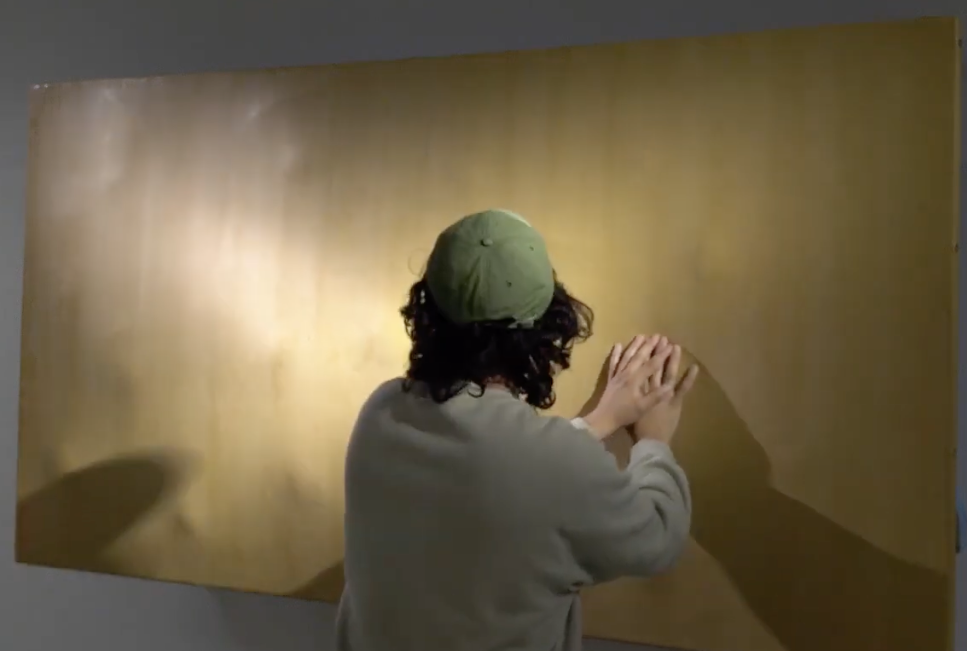
One recent project, SOMA was developed by students at the Zurich University of the Arts (ZHdK), who are now the founders of Tuurm. SOMA, in collaboration with FinalSpark, invited visitors to interact with living neural tissue through a tactile installation. Instead of using a keyboard or screen, visitors touched a soft physical interface whose response depended on the activity of living neural organoids running on the FinalSpark Neuroplatform.
The installation wasn’t designed to explain biological computing. It explored something more fundamental. If future computers include living neural systems, should interacting with them feel different from interacting with today’s machines?
Rather than focusing on speed or efficiency, the project explored a new form of human-computer interaction, one based on touch, uncertainty and the presence of living tissue.
Beyond research
Projects like this remind us that technological breakthroughs do more than create new tools. They create new questions.
How should we design interfaces for biological computers?
Will we trust systems that are partly living?
Will we interact with them differently simply because we know they contain living neurons?
These are not questions engineering alone can answer. Art gives us a space to explore them long before biological computing becomes part of everyday life.
At FinalSpark, our primary mission is to enable cutting-edge research in biological computing. Supporting projects like SOMA has shown us that the same technology can inspire scientists, engineers and artists alike. Each group asks different questions, and together, they broaden how we think about the future of computing.
Before biological computing changes the world, it might first change how we imagine it.